Serving Toronto & Across Ontario  ·  289-547-5911 · Toll Free 1-866-248-0567  ·  info@criticaltraumatherapy.com
Objective Measurement

Neuromuscular & Gait Assessment

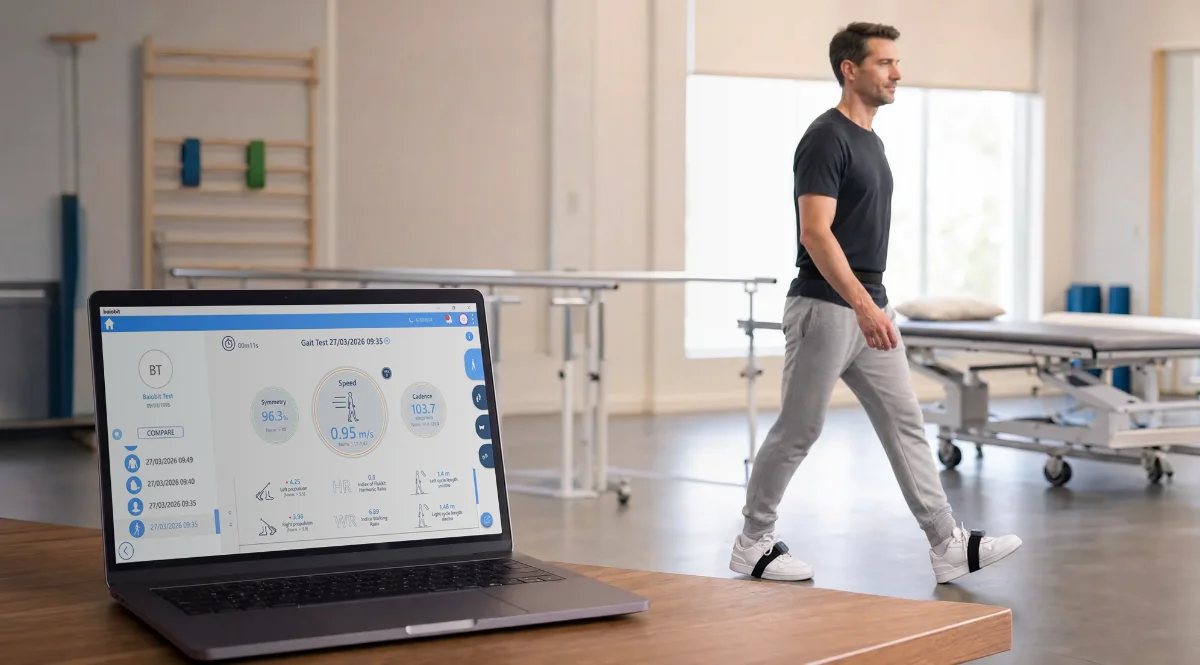
Most physical assessment relies on someone watching you move and writing down an impression. We measure instead, using medical devices cleared by the FDA.

That gives you a precise starting point, shows genuine progress rather than guesswork, and documents what you can no longer do in a way that cannot easily be dismissed.

Injured in a motor vehicle accident? Start with a free intake call. We use it to understand what you need and to complete the funding request to your insurer. Your insurer has ten business days to respond, and treatment is booked once approval is in place. Case by case, we may begin sooner.
Measured
Not estimated by eye
Normative Data
Your results against expected function
In-Home
Assessment where you are, if travel is hard
Our Assessments

What We Assess

Tap any assessment to read what it involves, what it looks at, and why it helps.

Neuromuscular & Gait Assessment

This assessment uses FDA-cleared medical devices, small motion sensors and a hand-held strength meter, to measure how you actually move. Nothing about it is painful or invasive.

What it looks at: how you walk, including speed, stride length and symmetry; your balance and risk of falling, through static and dynamic testing; how far your neck, back and shoulders move; and the strength of each side of your body compared with the other.

Why it helps: it establishes exactly where you are starting from, so improvement can be measured rather than guessed at. It also identifies safety concerns such as fall risk before they lead to an injury, and provides objective documentation of physical limitation.

Initial Physiotherapy Assessment

Your first appointment with a physiotherapist, combining a conversation about what happened and what hurts with a physical examination.

What it looks at: the mechanism of your injury, where your pain is and what provokes it, your movement and strength, and the specific tasks at home and at work you are now struggling with.

Why it helps: it produces a treatment plan built around your actual injuries and your actual life, rather than a standard protocol. You will also get a straight answer about what recovery is likely to involve.

Functional Capacity & Work Tolerance

An assessment of what you can physically manage, for how long, and at what cost to your pain and fatigue afterwards.

What it looks at: lifting, carrying, reaching, bending, sitting, standing, walking and stair use, measured against the demands of your own job or daily activities.

Why it helps: going back to work before you are ready usually ends in another absence. This sets out what a sustainable return would require, and where a return is not realistic it says so and explains why.

Balance & Falls Risk Assessment

Dizziness and unsteadiness after a collision reduce what people are willing to do, which weakens them further and makes a fall more likely.

What it looks at: static and dynamic balance, a Timed Up and Go test, and how your walking changes when you are distracted or tired.

Why it helps: it catches a real risk before something happens, and gives us a target to train towards. Particularly important for older clients, where one fall can change everything.

Post-Concussion Physical Assessment

Where headache, dizziness, light and noise sensitivity or fatigue have persisted after a concussion.

What it looks at: the contribution of your neck and your vestibular system to those symptoms, your tolerance for exertion, and how symptoms behave as activity increases.

Why it helps: post-concussion symptoms have several possible drivers and each needs different treatment. This identifies which apply to you, and guides a graded return to activity rather than the rest-and-wait approach that often prolongs things.

Chronic Pain Physical Assessment

For pain that has outlasted the healing of the original injury, often where imaging looks unremarkable.

What it looks at: your movement patterns and what you have started avoiding, your activity tolerance and how you pace yourself, deconditioning, and the daily tasks you now need help with.

Why it helps: persistent pain does not respond to the rest and protection that helps an acute injury. Measuring what you can do, rather than what hurts, is how a graded programme gets built, and how progress becomes visible.

Reassessment & Progress Measurement

We repeat the same measurements at intervals through your treatment.

What it looks at: the same movement, strength and balance measures as your initial assessment, so the comparison is genuine.

Why it helps: it shows what has improved and what has levelled off, so the plan changes when it needs to. It also gives you evidence of progress on the days it does not feel like there has been any, and documents your recovery properly where an insurer is involved.

Practical

What to Expect

Nothing here involves being pushed beyond what you can manage.

Nothing Invasive

Small sensors are placed on your body with straps, and a hand-held meter measures your strength as you push against it.

Everything is explained before it starts, and you can stop at any point.

At Your Limits, Not Past Them

We measure what you can do, not how much pain you can tolerate. You are never asked to push through something that is genuinely hurting.

If a movement is not safe to test, we do not test it.

Where You Are

Assessment at our Grimsby and St. Catharines clinics, or in your own home across Hamilton, Stoney Creek, Ancaster, Dundas, Grimsby, Beamsville, Lincoln, St. Catharines, Niagara Falls, Welland, Thorold, Fort Erie and Port Colborne.

Assessing you at home also shows us the stairs, the bath and the bed you are actually dealing with.

Findings Explained

We go through what we found in plain language, and what it means for your treatment and your recovery.

Where treatment is recommended, we provide it, so there is no referral elsewhere and no starting again.

Beyond Trauma Care

Explore More Ways We Can Help

Two more parts of Critical Trauma Therapy worth a look.

CTT Wellness Division

Proactive mental wellness, stress management, and preventive care for people who want support before a crisis.

CTT Wellness →

TMS & Neurofeedback

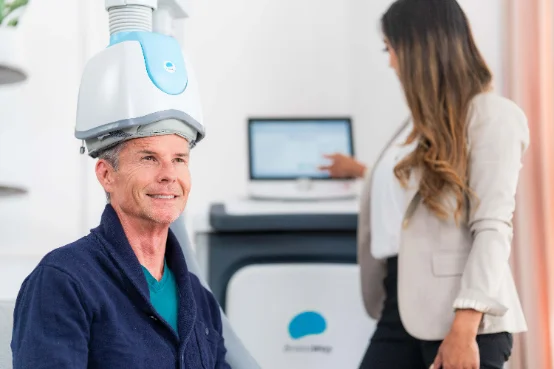
Transcranial Magnetic Stimulation, neurofeedback and biofeedback for depression and anxiety that has not responded to other treatment. Available at our Oakville clinic.

Learn More →

Ready When You Are

Weekday appointments 9 to 5:30, evenings and weekends by appointment — in clinic, at home, or online.

Book an Intake Call Submit a Referral